
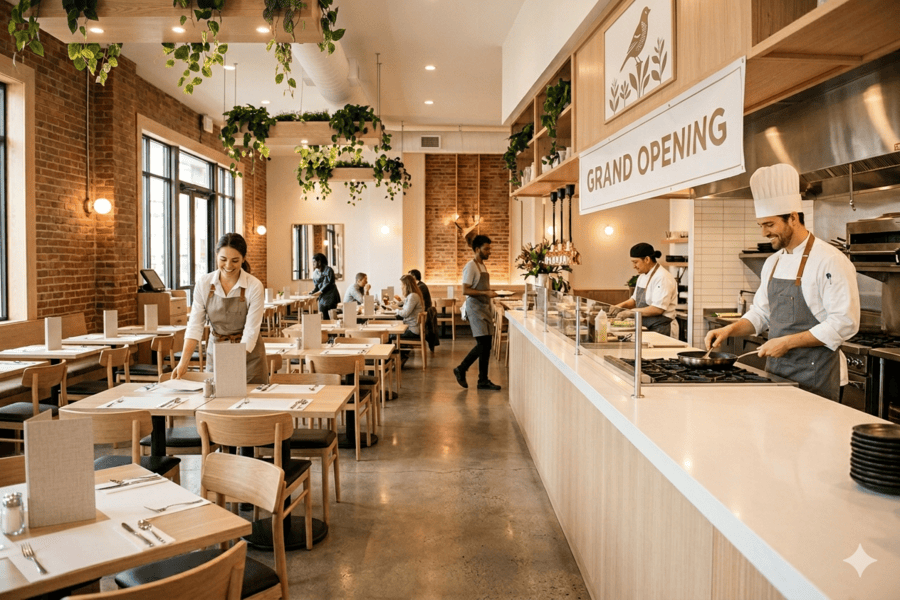
Opening a restaurant is exciting, but one of the biggest challenges every new owner faces is hiring the right team. The success of any restaurant depends not only on the food and interiors but also on the people who run daily operations smoothly. From chefs and kitchen helpers to servers and cashiers, choosing the right staff can directly impact customer experience, food quality, and profitability.
If you are searching for the ideal staff required for restaurants, this guide will help you understand the essential positions needed for a newly opened restaurant.
Why Hiring the Right Restaurant Staff Matters

A restaurant may have a beautiful ambience and a great menu, but without trained staff, operations can quickly become chaotic. Proper staffing ensures:
• Faster service
• Better customer satisfaction
• Smooth kitchen coordination
• Reduced operational errors
• Improved hygiene and food safety
• Higher customer retention
For newly opened restaurants, building a reliable team from the beginning creates a strong foundation for long-term success.
Also Read: What Is Restaurant Advisory? Benefits for Restaurant Growth
Essential Staff Required for Restaurants
The staffing requirement depends on the restaurant format, size, and cuisine. However, most restaurants require the following key roles.
1. Head Chef / Executive Chef
The chef is the backbone of the kitchen. They are responsible for:
• Menu execution
• Food quality control
• Kitchen management
• Inventory planning
• Staff training
A skilled chef helps maintain consistency and ensures customers return for the same taste every time.
2. Sous Chef
A sous chef assists the head chef and supervises kitchen operations during service hours. They help manage prep work, plating, and kitchen coordination.
3. Commis Chefs & Kitchen Helpers
These staff members handle:
• Ingredient preparation
• Basic cooking tasks
• Cleaning and organization
• Assisting senior chefs
For newly opened restaurants, hiring hardworking kitchen helpers is essential for efficient operations.
4. Restaurant Manager
A restaurant manager oversees overall operations including:
• Staff management
• Customer handling
• Billing supervision
• Vendor coordination
• Daily reporting
An experienced manager ensures the restaurant functions smoothly every day.
5. Service Staff / Waiters
Service staff directly interact with customers and represent the restaurant brand. Good service can significantly improve customer satisfaction.
Responsibilities include:
• Taking orders
• Serving food
• Handling customer requests
• Maintaining table cleanliness
6. Cashier
A cashier manages billing and payment operations. In many restaurants, they also handle takeaway orders and POS systems.
7. Housekeeping Staff
Cleanliness is extremely important in the restaurant industry. Housekeeping staff ensure:
• Dining area cleanliness
• Washroom hygiene
• Sanitization standards
• Waste management
8. Delivery Staff
For restaurants offering online delivery, dedicated delivery executives help maintain service quality and delivery speed.
Also Read: Restaurant Consultant Fees Explained: How to Budget for Growth and Profitability
How Many Staff Members Does a New Restaurant Need?
The number of staff required for restaurants depends on factors such as:
• Restaurant size
• Seating capacity
• Type of cuisine
• Service style
• Delivery volume
• Operating hours
For example:
Restaurant Type: Approximate Staff Requirement
Small Café: 5–10 staff
QSR: 8–15 staff
Casual Dining Restaurant: 15–30 staff
Fine Dining Restaurant: 25+ staff
Qualities to Look for While Hiring Restaurant Staff
When hiring for a newly opened restaurant, focus on:
• Positive attitude
• Hygiene awareness
• Communication skills
• Teamwork
• Experience in hospitality
• Ability to work under pressure
Technical skills can be trained, but attitude and discipline are equally important.
Common Hiring Mistakes New Restaurant Owners Make
Many restaurant owners rush the hiring process before launch. Some common mistakes include:
• Hiring too many employees initially
• Ignoring staff training
• Underpaying skilled workers
• Not defining job responsibilities
• Hiring without trial shifts
Avoiding these mistakes can save operational costs and improve staff retention.
Hiring the right staff required for restaurants is one of the most important steps in building a successful food business. A strong team creates better customer experiences, smoother operations, and long-term growth.
Whether you are opening a café, cloud kitchen, QSR, or fine dining restaurant, investing in trained and professional staff will always deliver long-term benefits.