
India’s bar and nightlife scene is booming. Microbreweries in Bengaluru, cocktail lounges in Mumbai,
rooftop bars in Gurgaon and craft-spirit menus in Goa are redefining how people drink and socialise.
Behind many of these successful venues is someone most guests never see: the bar consultant.
If you have years of experience behind the bar or in hospitality management, starting a bar consulting
business can turn that expertise into a rewarding, scalable career. This guide walks you through every
step, from defining your niche to landing your first client.
What Does a Bar Consultant Do?
A bar consultant helps restaurant and bar owners plan, launch and improve their beverage operations.
The role blends creativity with hard business sense. Typical work includes:
• Designing bar layouts and back-bar workflows
• Creating cocktail and beverage menus
• Costing drinks and setting profitable pricing
• Hiring and training bartenders and service staff
• Setting up inventory, pour-control and stock-audit systems
• Guiding owners through liquor licensing and compliance
• Fixing underperforming bars through audits and turnaround plans
In short, a bar consultant protects the owner’s investment by getting the bar right the first time.
Step 1: Build Real, Hands-On Experience
Clients pay consultants for proven know-how, not theory. Before launching your bar consulting
business, make sure you have solid experience across:
• Bartending and mixology: classic and modern cocktails, spirits knowledge, garnishing and
presentation
• Bar management: staffing, rostering, inventory, vendor negotiation and P&L control
• Openings: ideally, you have been part of at least two or three bar or restaurant launches
Certifications such as WSET (Wine & Spirit Education Trust) courses or recognised bartending
programmes add credibility, especially when pitching to first-time investors.
Step 2: Choose Your Niche
The bar industry is broad. Specialising helps you stand out and charge premium fees. Popular niches
include:
• Cocktail bars and speakeasies: menu engineering, signature drinks, craft techniques
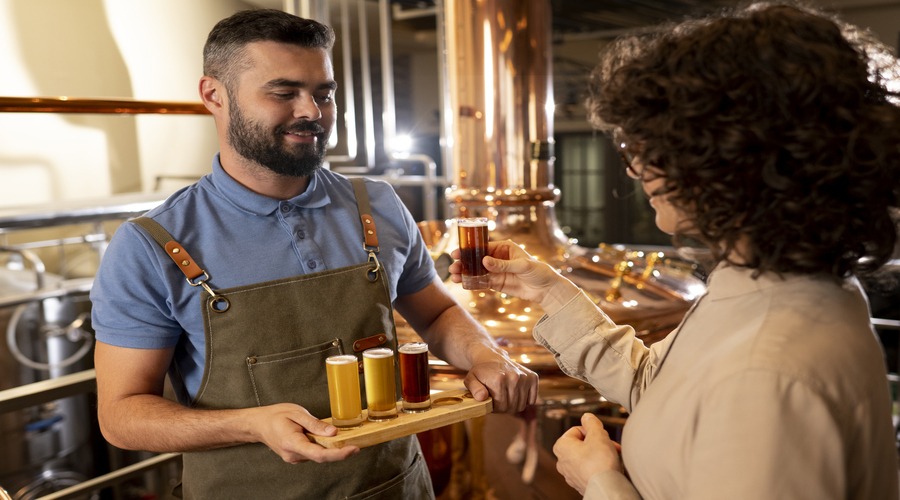
• Microbreweries and brewpubs: brewing partnerships, tap systems, beer menus
• Hotel and resort bars: high-volume service, multi-outlet beverage programmes
• Restaurant bars: pairing drinks with food, increasing beverage share of revenue
• Bar turnarounds: auditing struggling bars and restoring profitability
You can broaden later. Starting focused makes your marketing sharper and your portfolio more
convincing.
Step 3: Define Your Services and Packages
Clear service packages make it easy for clients to say yes. Consider offering:
1. Pre-opening package: concept, layout, equipment list, menu, pricing, hiring and training
2. Menu development: cocktail, mocktail and beverage menu design with costing sheets
3. Staff training: mixology, upselling, hygiene and responsible service
4. Operational audit: stock variance, pilferage checks, cost control and SOPs
5. Monthly retainer: ongoing support, seasonal menu changes and performance reviews
Step 4: Set Your Pricing Model
Most bar consultants use one of three models:
• Project fee: a fixed price for a defined scope, such as a full bar launch
• Day rate: for audits, training sessions or short engagements
• Retainer: a monthly fee for continued support after opening
Research what established consultants in your city charge, factor in travel and your time, and never
undersell your expertise. A well-designed bar can save an owner far more than your fee in avoided
mistakes.
Step 5: Register and Set Up Your Business
Treat your consultancy like the professional business it is:
• Choose a business structure (sole proprietorship, LLP or private limited company)
• Register for GST once your turnover crosses the applicable threshold
• Open a dedicated business bank account
• Draft a standard consulting agreement covering scope, timelines, payment terms and
confidentiality
• Consider professional indemnity insurance
A chartered accountant can help you pick the most tax-efficient structure.
Step 6: Master the Licensing Landscape
In India, liquor licensing is governed by state excise departments, and rules vary widely from state to
state. Clients will expect you to understand the process for bar licences, FSSAI registration, fire NOCs,
health trade licences and music licences. You don’t have to file everything yourself, but knowing the
process, timelines and common pitfalls is one of the most valuable things you can offer.
Step 7: Build Your Portfolio and Brand
Your portfolio is your strongest sales tool. Include:
• Photos of bars you have designed or managed
• Sample menus and drink presentations
• Before-and-after results, such as improved beverage margins or reduced stock variance
• Testimonials from owners you have worked with
Then build your online presence: a professional website, an active Instagram showcasing your drinks and
projects, and a complete LinkedIn and Google Business profile.
Step 8: Find Your First Clients
Winning early clients is about relationships and visibility:
• Network with restaurateurs, interior designers, architects and liquor brand representatives
• Partner with F&B consultancies that need specialist bar expertise
• Attend hospitality trade shows and bartending competitions
• Publish helpful content, such as blogs, reels and case studies, to show your expertise
• Offer a free bar health-check to start conversations with existing bar owners
Step 9: Build a Team and Systems as You Grow
As projects increase, you will need support. Bring in freelance mixologists, trainers and designers on a
project basis. Document your processes, checklists and SOP templates so every project meets the same
standard. Systems are what turn a one-person practice into a scalable bar consulting business.
Common Mistakes to Avoid
• Taking on every type of project instead of building a clear specialisation
• Working without a signed contract and defined scope
• Underpricing to win clients, then struggling to deliver profitably
• Ignoring the business side, such as cost control and P&L, in favour of only creative work
• Failing to keep up with drink trends and changing state excise rules
Final Thoughts
Starting a bar consulting business is a natural next step for experienced hospitality professionals who
want more independence and impact. With real experience, a clear niche, well-defined services and
consistent marketing, you can build a consultancy that helps bar owners succeed while growing a brand
of your own.
Planning to open a bar or restaurant and need expert guidance? DinerGuru Consultancy helps F&B
entrepreneurs across India with concept development, bar and kitchen setup, menu design, staffing and
SOPs. Get in touch with our team to discuss your project.