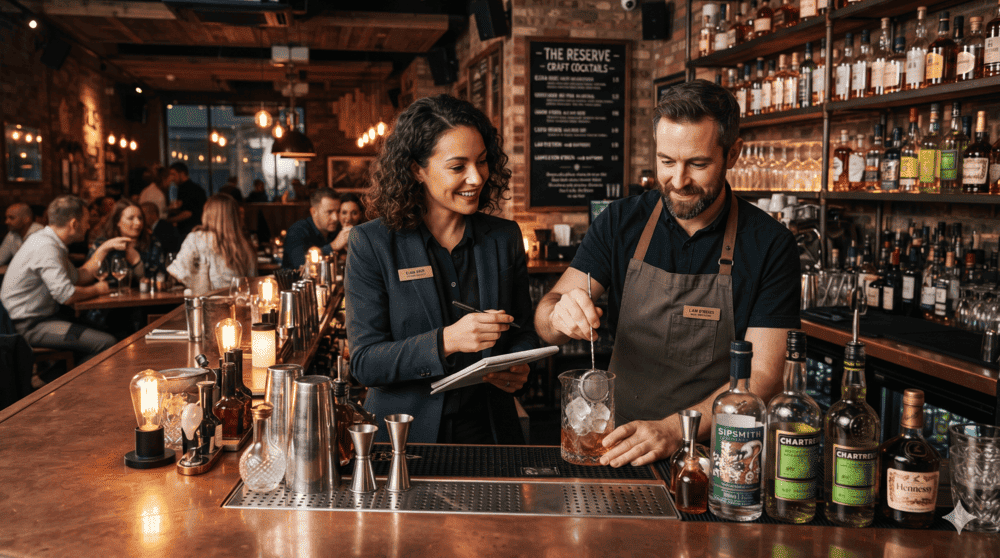
A well-run bar can transform a restaurant’s profitability. Beverages often carry higher margins than food, encourage guests to stay longer and give your brand a personality people remember. But a poorly planned bar, with a cramped layout, an unfocused menu or untrained staff, can drain money every single night.
That is why so many owners bring in a bar consultant for their restaurant. The right consultant can save you lakhs in avoidable mistakes. The wrong one can cost you time, money and momentum. Here is how to tell the difference.
Why Your Restaurant Needs a Bar Consultant
Even experienced restaurateurs benefit from specialist bar expertise. A good consultant helps you:
Design a bar layout that speeds up service and reduces wastage
- Build a beverage menu that complements your food and your audience
- Price drinks for healthy margins without scaring off guests
- Choose the right equipment, glassware and suppliers
- Hire and train bartenders who can upsell and deliver consistency
- Put stock controls in place to prevent pilferage and over-pouring
- Navigate state excise licensing and compliance requirements
1. Start With Your Own Goals
Before you speak to anyone, get clear on what you need. Are you opening a new restaurant with a bar? Adding a bar to an existing outlet? Revamping a beverage programme that isn’t selling? Fixing high liquor costs?
Write down your concept, target guest, budget and timeline. A clear brief helps you judge whether a consultant’s experience actually fits your project.
2. Check Relevant Experience
Not all bar experience is equal. A consultant who has built high-energy nightclub bars may not be the best fit for a fine-dining restaurant with a wine-led programme. When evaluating a bar consultant for your restaurant, ask:
- How many bars have you set up or managed?
- Have you worked on restaurants of a similar format and size?
- Do you have experience in our city or state?
- Can you share examples of menus, layouts or results?
3. Review Their Portfolio and Results
A reliable consultant will happily show you their work. Look for photos of completed bars, sample menus, costing sheets and SOP documents. Even better, ask for measurable outcomes: improved beverage sales, lower pour cost, reduced stock variance or faster ticket times.
Consultants who speak only in general terms, without examples, should raise caution.
4. Speak to Past Clients
References are the most honest way to judge a consultant. Ask for contacts of two or three past clients and find out:
- Did the consultant deliver on time and within budget?
- How involved were they after opening?
- Was communication clear and responsive?
- Would they hire this consultant again?
If possible, visit a bar they have set up and see it in action.
5. Understand Their Process
A professional consultant follows a structured approach. Ask them to walk you through how they work, from the first site visit to post-launch support. A typical process includes:
- Concept and market assessment
- Bar layout and equipment planning
- Menu development, recipes and costing
- Vendor and supplier selection
- Staff hiring and training
- SOPs, inventory and control systems
- Launch support and performance review
If a consultant can’t explain their process clearly, they probably don’t have one.
6. Look for Business Thinking, Not Just Creativity
Beautiful cocktails are important, but your bar must also make money. The best consultants balance creativity with commercial discipline. They will talk about pour cost, menu engineering, par levels and staff productivity, not just garnishes and glassware.
7. Confirm Licensing and Compliance Knowledge
Liquor licensing in India is managed by state excise departments, and the rules differ across states. A reliable consultant should understand the licensing journey in your location, including typical timelines and documentation, and plan your launch around it.
8. Get Clarity on Fees and Scope
Ask for a written proposal that clearly outlines:
- Scope of work and deliverables
- Timelines and milestones
- Fee structure (project fee, retainer or day rate)
- Payment schedule
- Number of site visits and post-opening support days
- What is not included
A clear scope protects both sides and avoids disputes later.
Red Flags to Watch Out For
- Guarantees of unrealistic sales or profits
- No written contract or vague deliverables
- Pressure to use specific suppliers without clear reasoning
- Little interest in understanding your concept or customers
- No post-opening support or handover
- Reluctance to share references
Questions to Ask Before You Sign
- What will my bar look like operationally on day one, and on day ninety?
- How will you train my team, and what documentation will we keep?
- How do you measure success on a project like mine?
- What happens if timelines slip because of licensing or construction delays?
- Who on your team will actually work on my project?
Final Thoughts
Choosing a bar consultant for your restaurant is a business decision, not just a creative one. Look for relevant experience, proven results, a clear process and strong commercial thinking. Take time to check references and agree on a detailed scope. The right partner will help you open with confidence and build a bar that keeps paying for itself.
Looking for an experienced partner for your restaurant bar? DinerGuru Consultancy supports F&B owners across India with bar and kitchen setup, menu development, vendor coordination, staff hiring and SOPs. Talk to our team today.