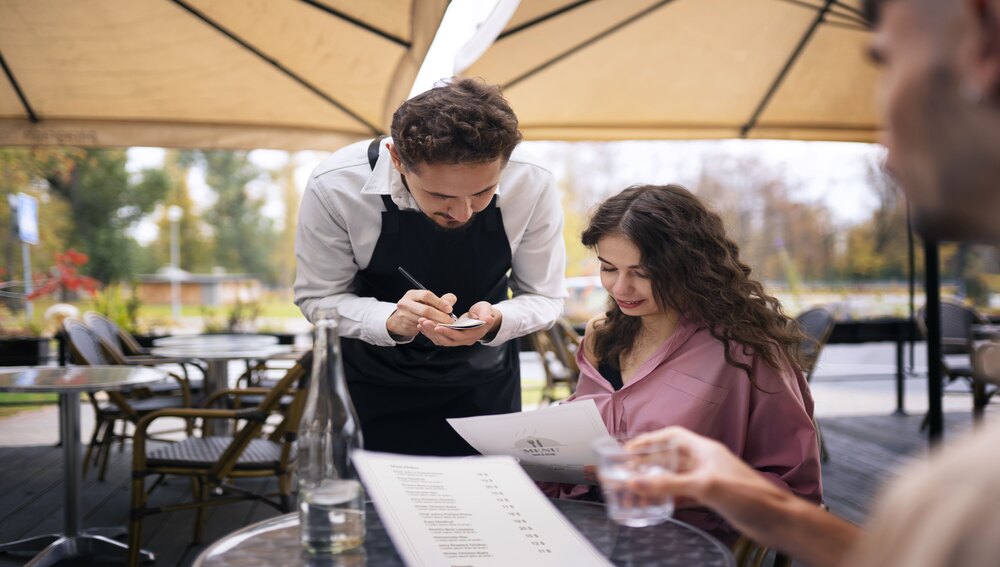
Running a restaurant in Delhi is no easy feat. From juggling rising operational costs and staff turnover to meeting evolving customer expectations and stiff competition, restaurateurs face a unique set of challenges every day. In a city that never sleeps—and always eats—efficient restaurant operations in Delhi can be the difference between a buzzing hotspot and a forgotten eatery.
Whether you’re managing a bustling café in Connaught Place, a fine-dine spot in South Delhi, or a delivery kitchen in Dwarka, streamlining operations is key to long-term success. This blog outlines the best practices for optimizing restaurant operations in Delhi, tailored specifically to local market dynamics.
1. Mastering Inventory and Vendor Management
Fluctuating vegetable prices at Azadpur Mandi, inconsistent supplies during festivals, and unreliable vendors can throw your kitchen off track.
Best Practices:
Forecast Demand Based on Seasonality:
Delhi’s extreme summers and winters affect customer preferences. Track patterns and stock accordingly.
Use Inventory Management Software:
Platforms like Petpooja, Posist, or Zoho Inventory help you automate stock levels, expiry tracking, and supplier reorders.
Diversify Vendors:
Always have backup vendors—especially for dairy, meats, and imported goods—to avoid last-minute kitchen crises.
2. Streamlining Staff Operations and Scheduling
With long commutes, erratic shift timings, and high attrition rates, managing kitchen and service staff in Delhi can be chaotic.
Best Practices:
Shift-Based Scheduling:
Use digital tools like Deputy or When I Work to rotate shifts and reduce burnout.
Cross-Training:
In a city prone to traffic jams and absenteeism, cross-training staff ensures smooth operations even when someone is missing.
Retain with Culture and Perks:
Offer transport stipends, staff meals, or off-day incentives. These go a long way in a competitive hiring market like Delhi.
3. Optimizing Food Preparation and Service Workflow
Delhi customers are discerning and time-conscious. A delay in service—especially in business hubs—can lose you repeat customers.
Best Practices:
Kitchen Layout Efficiency:
Apply the “kitchen triangle” principle—store, prep, cook stations should be in optimal proximity to avoid bottlenecks.
Pre-Prep Where Possible:
Marinate meats, chop vegetables, and create sauce bases during off-peak hours to speed up service.
Use Display Systems:
Kitchen Display Systems (KDS) instead of paper tickets reduce errors and help streamline communication between FOH and BOH.
4. Managing Delivery Operations Efficiently
The surge in online food ordering through Swiggy and Zomato means delivery operations are now a core part of your business.
Best Practices:
Integrate Order Platforms:
Use aggregators or POS systems that pull orders from multiple platforms into a single dashboard.
Invest in Packaging:
With Delhi’s extreme climate, ensure hot food stays hot and coolers stay chilled. Use insulated, tamper-proof packaging.
Track Delivery Times:
Customers in Delhi expect fast service. Partner with reliable third-party riders and monitor average delivery times.
5. Leveraging Data and Technology
In such a competitive food scene, data-driven decision-making helps you stay agile and profitable.
Best Practices:
Customer Data Collection:
Collect feedback through QR codes, loyalty programs, or billing software. Learn what customers love (or don’t).
Daily Sales Analysis:
Monitor day-part sales (lunch vs dinner), bestselling dishes, and average ticket size. Adjust staffing and procurement accordingly.
Adopt Cloud-Based POS Systems:
Especially important in multi-location setups or cloud kitchens, where real-time data access is crucial.
6. Regulatory Compliance and Hygiene Standards
Delhi’s FSSAI inspections, pollution board regulations, and health department checks are frequent and strict.
Best Practices:
Maintain Hygiene Logs:
Keep cleaning checklists, pest control schedules, and temperature logs handy for inspections.
Train Staff in Food Safety:
Conduct monthly workshops on FSSAI norms and basic hygiene practices.
Display Certifications Publicly:
Customers in Delhi appreciate transparency—highlight your hygiene ratings and FSSAI license visibly.
7. Localize Your Menu and Experience
Delhiites love variety—from street food to gourmet sushi. A menu that resonates with the local palate can drive footfall and loyalty.
Best Practices:
Offer Local Favourites with a Twist:
Butter chicken pasta or momo tacos? Fusion dishes work well with Delhi’s experimental crowd.
Cater to Dietary Preferences:
The demand for vegan, Jain, gluten-free, and millet-based options is growing.
Keep Seasonal Specials:
Think “Aam Ras Cheesecake” in summer or “Gajar Halwa Tart” in winter to connect emotionally with your audience.
The restaurant operations in Delhi need more than just great food. To thrive, restaurateurs must focus on seamless workflows, empowered teams, smart inventory management, and an adaptive mindset. The city’s food landscape is vibrant and ever-evolving—and only those with efficient operations will rise to the top.
Need Help Optimizing Your Restaurant Operations in Delhi?
Whether you’re planning a new launch or want to streamline an existing setup, we specialize in helping Delhi-based restaurateurs run smarter, smoother, and more profitable operations. From SOP creation to menu engineering and staff training—our consultancy services are tailor-made for the restaurant operations Delhi market.